Whirlpool Wine Center Repair in Tampa Bay
A Whirlpool wine center holds bottles at a steady cellar temperature, and warm air in a Florida room tests that every day. We repair cooling, fan, control and door problems.
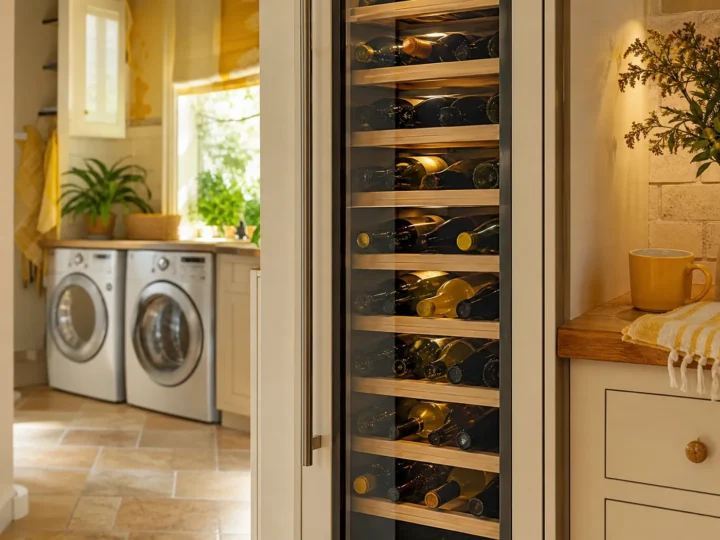
Wine is sensitive to heat and to temperature swings, which makes a cooler in a hot Tampa Bay room work harder than it would in a cellar. A bottle that sits warm for days can age differently than the label intends.
Whirlpool wine centers are built-in or freestanding units with a compressor, fans, shelves and a glass or solid door. Some have separate temperature zones. They need airflow around the cabinet, and tight placement in cabinetry makes that harder.
Common Whirlpool wine center problems we fix
Not cooling to the set temperature
A dirty condenser, blocked vents or a weak cooling system cannot keep up with room heat.
Temperature swings between shelves
A stalled fan or a poorly sealed door leaves warm and cool pockets.
Frost or condensation inside
A leaking door seal or very humid air is adding moisture to the cabinet.
Compressor runs without stopping
The cabinet is warm, the coil is dirty or the thermostat is not cycling off.
Display blank or reads wrong
The control board, a sensor or the power connection is not working.
Door glass fogged or gasket loose
A worn gasket or a door that is not aligned is leaking cool air out.
Why is my wine center not cooling enough?
Check the room first. A unit in direct sun or next to an oven struggles. Make sure vents are clear of boxes and cabinet panels, and that the door closes completely. Unplug it, vacuum dust from the grille and the coils behind it.
Verify the actual temperature with a separate thermometer set among the bottles. If it stays high with everything clear, the fan or the sealed system needs testing.
Is condensation on the door normal?
Some fogging on glass appears when humid air meets a cold surface. That is expected in a damp climate. Water that drips inside or frost on the back wall suggests a gasket gap or a drain issue. Wipe the gasket and check that the door shuts square.
What about outages and storage?
Bottles tolerate a short outage better than food does, but extended heat is harmful. Keep the door closed. After a surge or a long outage, check the display and temperature before relying on it.
How should bottles be arranged?
Leave room between bottles and the back wall so the fan can move air. Do not overload one shelf. Place the bottles you open soon near the door and long-term bottles toward the back. A full cabinet holds its temperature better after the door opens, but a cabinet packed tightly can block circulation, so aim for a balance. Check the real temperature each season, since room conditions change.
When does a repair make more sense than a replacement?
A fan, a sensor, a gasket or a control board is a modest repair on a unit that otherwise cools well. A failing compressor on an older unit raises a real question, and we explain both paths with a written price. A wine center built into cabinetry also costs time to swap, which often tips the decision toward fixing what is wrong. Our first step is measuring the cabinet temperature so the diagnosis rests on data.
What we examine
- Fans, compressor and start parts
- Door gasket, hinges and glass seal
- Thermostat, sensors and control board
- Condenser coils and ventilation clearance
A written price comes before any work, and our labor has a 30-day workmanship warranty.
Whirlpool wine center error codes
Look the code up before you switch anything off or try a repair. Type it as the display shows it.
Whirlpool wine center models we service
Whirlpool model numbers from current builds back to discontinued ones. The data label tells you yours.
Wine Center guides
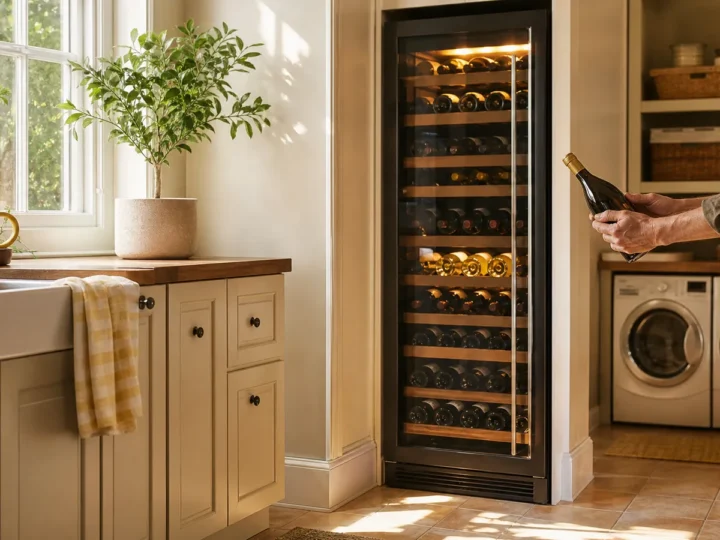
Wine Center questions
What temperature should wine be stored at?
Follow your guide and the producer's advice. A steady temperature matters more than a precise number.
Can I install it in a closed cabinet?
Only if your model is built for it. Front-venting units are made for built-ins.
Why is one shelf warmer?
A stalled fan or crowded bottles blocking airflow can be the cause.
Should I unplug it when I travel?
For a long absence, ask us or follow your guide. Moving bottles out may be wiser than turning it off.