Whirlpool Water Heater Repair in Tampa Bay
A Whirlpool tank water heater that runs out too fast, rumbles, leaks or goes cold needs a quick answer. We test the heat source, the controls and the tank and quote before any repair.
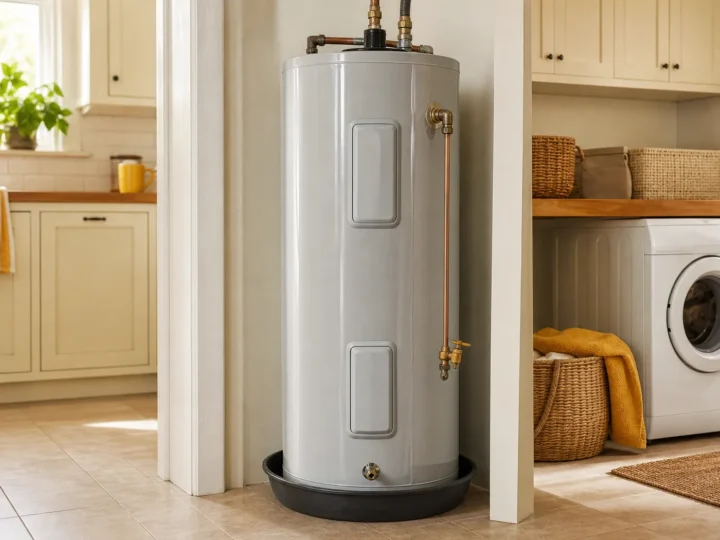
A water heater works year-round, even in a Florida home where the water is already warm in summer. It holds a large amount of water, so a small failure can leave a big puddle, and the electrical or gas side has to be treated with respect.
Whirlpool makes electric and gas tank water heaters. Electric models heat with upper and lower elements and thermostats. Gas models use a burner, a thermocouple or igniter, and a gas control valve with a flue that carries exhaust out of the house.
Common Whirlpool water heater problems we fix
No hot water
A failed heating element, a tripped limit switch or a gas pilot or igniter that is out stops the heat.
Water is only lukewarm
One of two elements has failed, or a thermostat is set low or drifting.
Rumbling or popping
Sediment on the tank bottom traps steam bubbles as the water heats.
Water around the base
A loose fitting, a leaking relief valve or a tank leak is the source, and a tank leak means replacement.
Rusty or smelly hot water
The anode rod is spent or bacteria are reacting in the tank.
Relief valve discharges
Pressure or temperature is climbing past the valve setting, or the valve itself is worn.
Why is there no hot water?
On an electric unit, check the breaker first, then look for a reset button on the upper thermostat. Switch the breaker off before opening any access panel. On a gas unit, look at the pilot window if your model has one. If you smell gas at any time, leave the home, do not touch switches or phones inside, and call the gas utility or 911 from outside.
If the reset trips again, a heating element or thermostat has likely failed.
Why is the tank leaking?
Dry the surface and find where the water starts. A drip at a pipe connection or the relief valve can be repaired. Water from the tank body means internal corrosion, and the tank is finished. Shut off the water supply and power until help arrives.
What do rumbling and rust mean?
Sediment settles in the bottom of the tank and hardens over time. A flush can remove loose buildup, and a spent anode rod speeds corrosion. Rusty water from the hot tap only points to the tank when the cold tap runs clear.
How can I lower the risk before a storm or trip?
If the home will sit empty, turn the heater to its vacation setting or switch it off at the breaker or gas control, and shut the water supply to the house. Before a storm, know where the shutoffs are. After a flood, do not restart a gas or electric heater that was under water, because the controls can be damaged. Ask us to inspect it first, since wet wiring and gas valves are dangerous.
Why does the temperature setting matter?
A higher setting raises the scald risk, while a very low one can leave the tank open to bacterial growth. Check the setting against the guide, and test the water at the tap with a thermometer. A relief valve and a drain pan with a line to a safe spot are part of a proper setup, so ask us to look at them when we visit.
What we check
- Elements, thermostats and limit switch
- Gas control valve, burner and igniter
- Relief valve, fittings and drain valve
- Anode rod, flue and combustion air
You see the price in writing before any work, and the labor is under a 30-day workmanship warranty.
Whirlpool water heater models we service
Whirlpool model numbers from current builds back to discontinued ones. The data label tells you yours.
Water HeaterBFG1F4034T3NOVShort gas storage water heaterWater HeaterBFG1H5040T3NOVAtmospheric vent gas water heaterWater HeaterE2F40RD045Dual element electric water heaterWater HeaterES40R123-45DElectric tank water heaterWater HeaterES40R92-45DLegacy electric water heaterWater HeaterES50R123-45DLarge electric storage water heaterWater HeaterE2F50HD045V Electric Water HeaterDual element electric water heaterWater HeaterFG1H5040T3NOV Gas Water HeaterAtmospheric vent gas water heaterWater HeaterE2F40RD045V Electric Water HeaterDual element electric water heaterWater HeaterFG1F4034T3NOV Gas Water HeaterShort gas storage water heaterWater HeaterBFG1F5040T3NOV Gas Water HeaterAtmospheric vent gas water heaterWater HeaterBFG1F4040T3NOV Gas Water HeaterAtmospheric vent gas water heater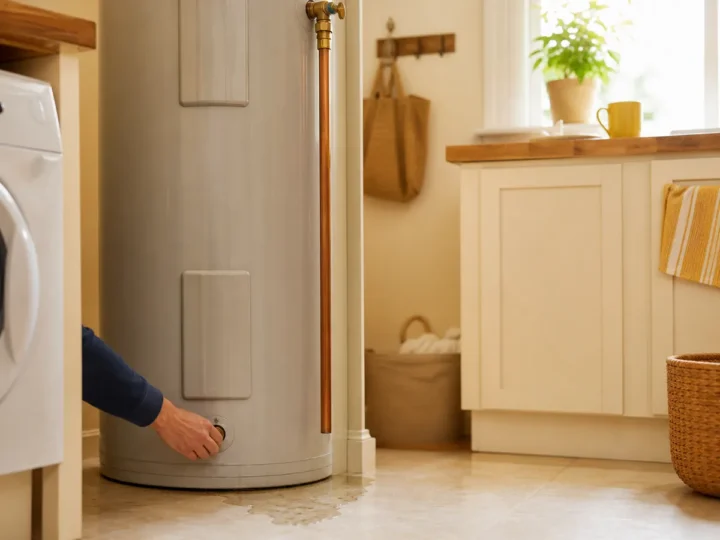
Water Heater questions
How long does a tank water heater last?
It varies with water quality and care. Sediment, corrosion and leaks are the signs to watch.
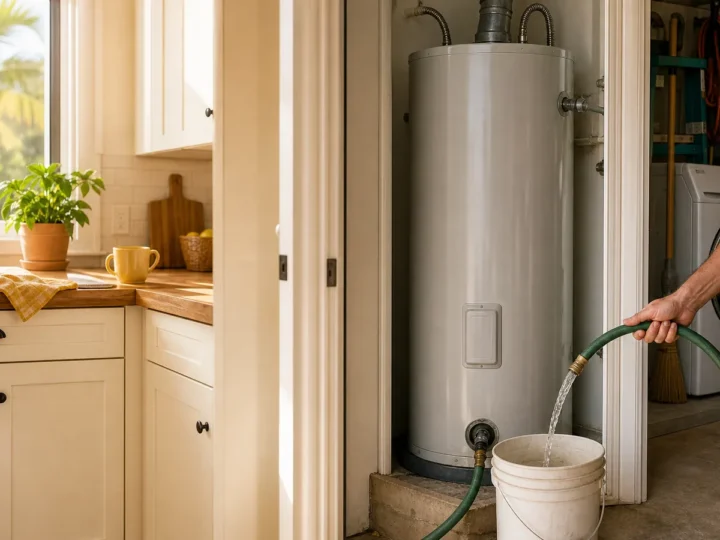
Should I flush the tank?
Flushing removes loose sediment and is described in many use-and-care guides. Follow the steps for your model.
Is a relief valve that drips a problem?
It can mean pressure or temperature is too high or the valve is worn. Have it inspected.
Can I lower the temperature?
Yes, on the thermostat or gas control, per your guide. A lower setting reduces scald risk.