Whirlpool ES50R123-45D repair
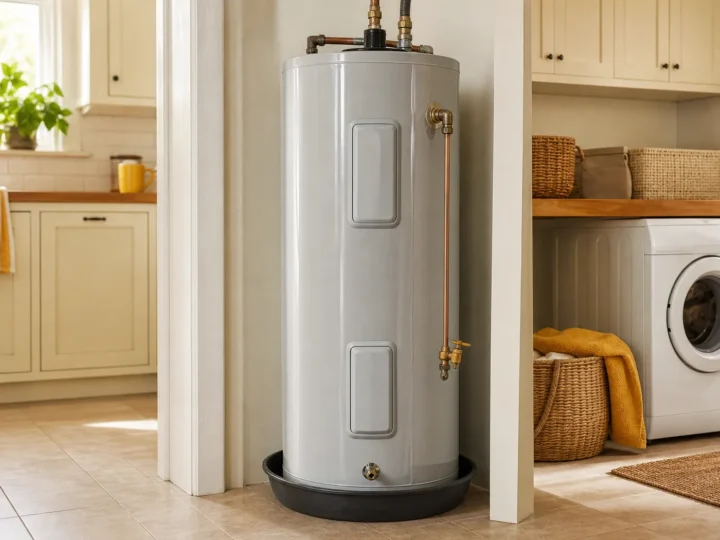
Large electric storage water heater. Service for this model across Tampa Bay.
- Model
- ES50R123-45D
- Type
- Large electric storage water heater
- Brand
- Whirlpool
About the ES50R123-45D
Larger tank, two heating elements, insulation around the tank and a temperature and pressure relief valve are the highlights of the ES50R123-45D, an electric storage water heater sold under the Whirlpool name. The extra capacity suits households with several people.
When a larger tank is slow to recover, the elements and thermostats are tested first: a weak lower element is a leading reason a big tank feels small. Sediment is examined next, since a heavy layer insulates the water from the heat. Hard water leaves scale on the elements, so they are pulled and inspected when needed. The anode rod is checked too, because a depleted rod lets the tank start corroding, and a seized drain valve prevents proper flushing.
What we check on a ES50R123-45D visit
- Elements and thermostats after long recovery
- Element scaling and sediment
- Anode rod condition and drain valve operation
Key features
- Electric storage water heater with a larger tank
- Two heating elements
- Insulated tank
- Temperature and pressure relief valve
The model number is on the data label: inside the door frame, on the drawer edge or behind the kick plate. We are an independent repair company, not affiliated with Whirlpool Corporation.
Other Whirlpool water heater models
Water HeaterBFG1F4034T3NOVShort gas storage water heaterWater HeaterBFG1H5040T3NOVAtmospheric vent gas water heaterWater HeaterE2F40RD045Dual element electric water heaterWater HeaterES40R123-45DElectric tank water heaterWater HeaterES40R92-45DLegacy electric water heaterWater HeaterE2F50HD045V Electric Water HeaterDual element electric water heaterWater HeaterFG1H5040T3NOV Gas Water HeaterAtmospheric vent gas water heaterWater HeaterE2F40RD045V Electric Water HeaterDual element electric water heaterES50R123-45D questions
My ES50R123-45D is slow to recover. Why?
A weak lower element, a thermostat out of calibration or heavy sediment. Each element is measured and the tank bottom examined before a repair is recommended.
The drain valve will not open. What can be done?
Sediment or a worn valve can seize it. It is freed or replaced, and the tank is flushed so the heater can recover properly.