Whirlpool Dryer Shuts Off Mid-Cycle: Thermal Fuse and Airflow
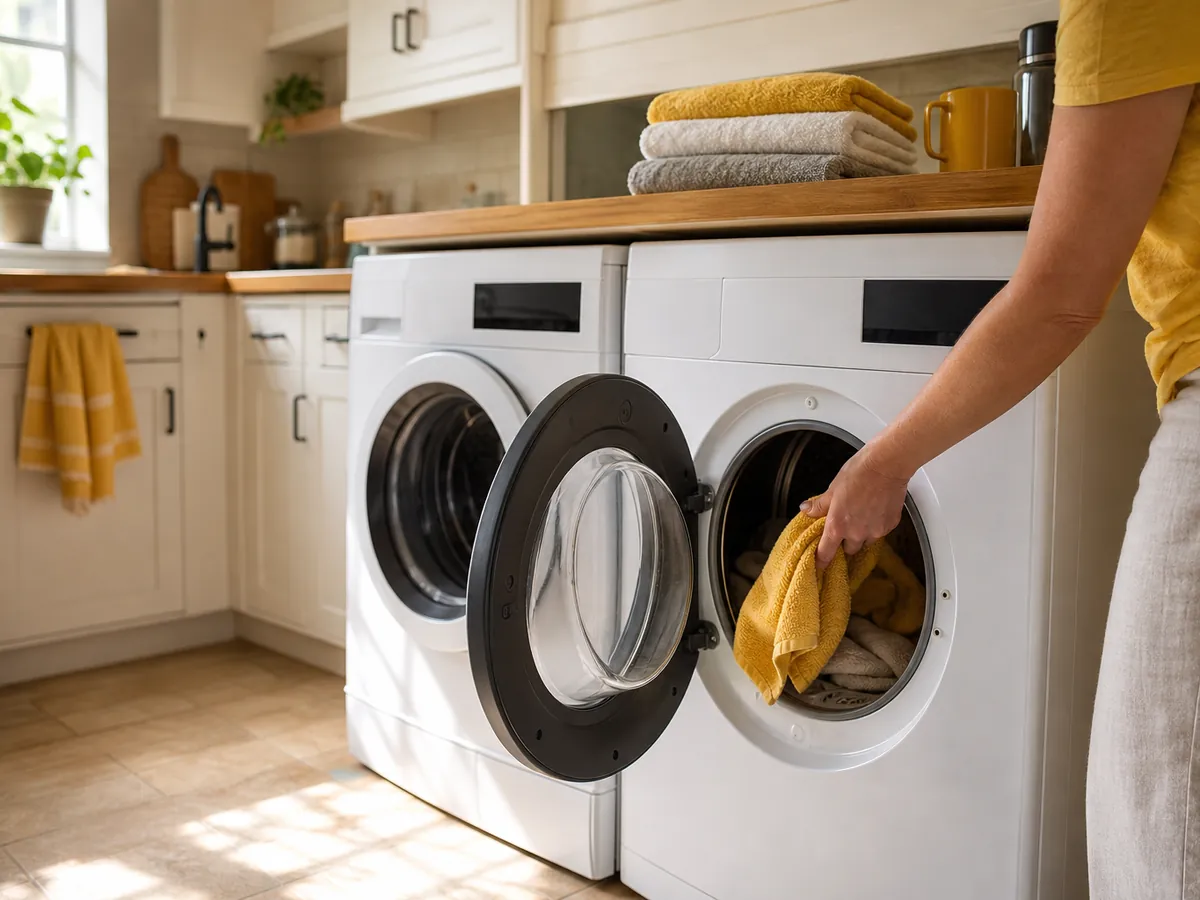
A Whirlpool dryer that shuts off in the middle of a cycle has usually overheated and tripped a safety part, such as a thermal fuse or a high-limit thermostat. The cause is most often restricted airflow, so clearing the lint screen and the vent comes before replacing any part.
What does the thermal fuse do?
A thermal fuse is a one-time safety device near the heater or the blower housing. If the dryer gets too hot, the fuse opens and cuts power to the heat or the whole dryer. Once it blows, it does not reset, so the dryer may stop completely or run without heat. A thermostat does a similar job but resets when it cools, so a dryer that stops, then works again after resting, points to a thermostat. The dryer is telling you that heat has nowhere to go.
What should I check first, with the dryer unplugged?
Clean the lint screen and wash it with warm water if a film has formed. Pull the dryer from the wall and look at the vent connection for kinks. Check the outside cap while the dryer is running, and look for a lint mat. Ensure the load size is not too large, since a stuffed drum restricts airflow as well. Do not run the dryer again until you have cleared whatever you found.
For gas dryers, close the gas valve before moving the unit. A smell of gas means leave the home and call the gas utility or 911 from outside.
Is replacing the fuse enough?
A new fuse in a dryer with a clogged vent will blow again. We clear or correct the airflow, then test the heating element or gas burner, the thermostats and the blower. A heating element that shorts to ground or a thermostat stuck closed can cause overheating too. We measure each part and tell you which one failed. Many repairs finish with a new fuse, a cleaned vent and a test run.
Why does humidity matter in Florida?
Damp laundry rooms and long vent runs hold moisture, so the dryer works longer and runs hotter. A load that is soaking wet from a weak spin adds to the strain. If the washer spin is poor, fix that too. Use the moisture-sensing or timed dry cycle that the guide recommends for each fabric.
Could the problem be somewhere other than the vent?
Yes. A weak or failing blower wheel, a seized blower motor or a lint-clogged housing inside the dryer also reduces airflow, even with a perfect vent. A heating element that stays on because a thermostat is stuck will heat the dryer beyond its limit. We test each of these and find where the heat is trapped.
A dryer that stops with a thump or a squeal may have a belt or a drum roller problem, which causes a different kind of stop. Note any noise you heard before it quit.
What will a technician check?
We unplug the dryer, check the vent, measure the airflow and then test the thermal fuse, the high-limit thermostat, the cycling thermostat and the heating element with a meter. We also check the blower and the motor. The repair is quoted in writing before we start, and we recheck the temperature on a test load before we leave. Our labor carries a 30-day workmanship warranty, so a repeat trip for the same repair does not add a labor charge.
It also helps to think about when the problem started. A dryer that began shutting off after you moved it, after a remodel of the laundry room or after a long run of heavy loads has a story that points us toward the vent or the load. A dryer that stopped after a storm may have had a surge. Telling us those details speeds up the diagnosis and avoids a repair that does not last.
Do not keep restarting a dryer that shuts off, since each restart adds heat to a system that already overheated.
| Sign | Likely cause | What you can check | When to call |
|---|---|---|---|
| Stops, rests, then runs again | High-limit thermostat tripping | Lint screen and vent | Repeats after cleaning |
| Dead, no tumble or heat | Blown thermal fuse or power issue | Outlet, breaker, door switch | Power is fine |
| Runs but no heat | Element, igniter or fuse | Vent and load size | Right away |
| Hot cabinet, burning smell | Lint buildup | Unplug and stop use | Immediately |
Never bypass or replace a fuse with wire or a part of a different rating. The fuse is what stands between a hot dryer and a fire.
Frequently asked questions
Can I replace the fuse myself?
It is often simple, but you must unplug the dryer and also clear the cause. If you are unsure, have a technician do it.
Why does my dryer run but not heat?
A blown fuse, a failed element or a gas igniter that does not glow can be the reason. We test each.
Is a dryer that overheats dangerous?
It can be. Stop using it and have it checked.
How often should I clean the vent?
At least yearly, and sooner if drying times grow.