Hurricane-Season Outages: Whirlpool Refrigerator Food Safety
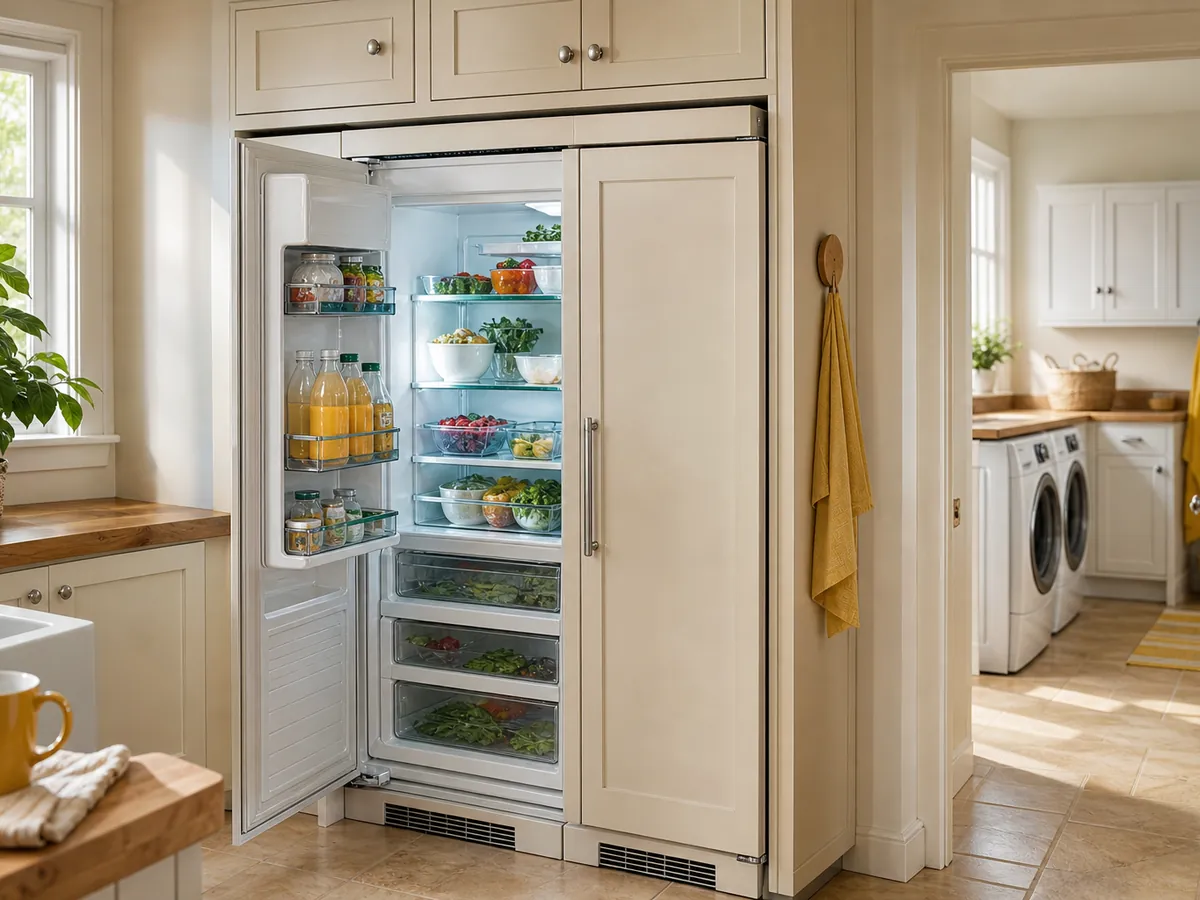
When the power goes out, keep the Whirlpool refrigerator and freezer doors closed and judge food by temperature and time, following USDA guidance. A closed refrigerator holds cold for only a limited time, and food that has been above 40 degrees F for longer than the guidance allows should be thrown out, whatever it looks or smells like.
What does USDA say about time without power?
USDA food safety guidance describes how long a closed refrigerator and a closed freezer keep food at a safe temperature, and it ties the decision to the temperature of the food rather than to its appearance. A full freezer holds its temperature longer than a half-empty one. Read the current figures on the USDA page listed under Sources, since this article does not restate them from memory.
Keep a refrigerator thermometer in each section year-round. When the power returns, read it before you decide anything. A thermometer is the simplest tool in a storm kit.
How can I get ready before a storm?
Before hurricane season, make sure the thermometers are in place and working. Fill spare space in the freezer, because a full freezer stays cold longer. Freeze water in containers if you have room, and have coolers and ice ready for the fresh-food items you care about most. Know where your breaker panel is and keep a flashlight handy.
If you must evacuate, consider emptying the refrigerator of perishable items beforehand rather than leaving them for days in a closed, warm house.
What should I do when the power comes back?
Wait a few minutes before judging the appliance. Power often returns with flickers, and a surge can damage a control board or the compressor start parts. Check the display and listen for the compressor. Then measure. Use the thermometer in the refrigerator and a probe in a few items from the freezer, and compare the readings with USDA guidance.
Do not taste food to test it. Throw out anything that fails the guidance, and clean the shelves with a mild solution if meat juice has dripped.
When does the refrigerator itself need service?
If the refrigerator does not run after power returns, runs without cooling, or shows a code, a surge may have damaged a part. Water on the floor can mean a defrost drain overflow after a long warm spell. Do not keep resetting the breaker. Give us the model number and what you saw.
What belongs in a storm kit for the kitchen?
Two refrigerator thermometers, a few coolers, bags of ice or frozen water bottles, a small flashlight and a printed copy of the USDA guidance cover most needs. Write the time the power went out on a note stuck to the refrigerator, so you can calculate how long the food has been warm. If you have a generator, keep fuel and the connection plan ready before the storm, and run it outdoors, well away from doors and windows.
Think about what to move first. Meat, poultry, seafood, milk, cut fruit and leftovers carry the highest risk. Condiments and hard cheeses carry less, but the USDA page lists specific items, so use it as the final word.
How do condos and high-rises change the plan?
Elevators may be off and the walk to a car may be long, so a cooler plan has to be practical. If you evacuate, take only what you can use. Ask your building about its generator and what it powers, because it may not run your unit. A shared building may also lose water pressure, which affects the ice maker and the water dispenser. Shut off the ice maker before a long outage so it does not try to refill when pressure returns.
Keep the doors closed even when you are anxious about the food. Each opening lets a burst of warm air in, and the appliance cannot recover without power. Plan the minutes you check, work from the thermometer and leave the doors alone otherwise. After the storm passes, write down what you threw away and why, so you can adjust the next kit.
| Situation | What to do | What to avoid | Who handles it |
|---|---|---|---|
| Power out, fridge closed | Keep doors shut, note the time | Opening the door to look | You |
| Power returns | Read the thermometer and compare with USDA guidance | Judging food by smell | You |
| Appliance will not restart | Check outlet and breaker once | Repeated resets | Technician |
| Water or odor after a long outage | Unplug, clean, wipe up | Pulling panels | You, then a technician |
Frequently asked questions
Should I refreeze thawed food?
Follow USDA guidance on thawed food. The deciding facts are the temperature it reached and how long it stayed there, not whether ice crystals remain.
Can I plug the refrigerator into a generator?
Use a generator rated for the start-up load and follow its manual, and keep it outdoors and away from windows. Check the refrigerator guide for power needs, and ask us if you are unsure.
Does a surge protector help?
It can lower the risk to electronics from short surges, but it cannot protect against every strike. Unplugging before a direct hit is safer when you can do it.
How long does a full freezer stay cold?
A full freezer holds its temperature longer than a partly full one. USDA gives specific time limits, so read the current figures on its page and check them against your thermometer.